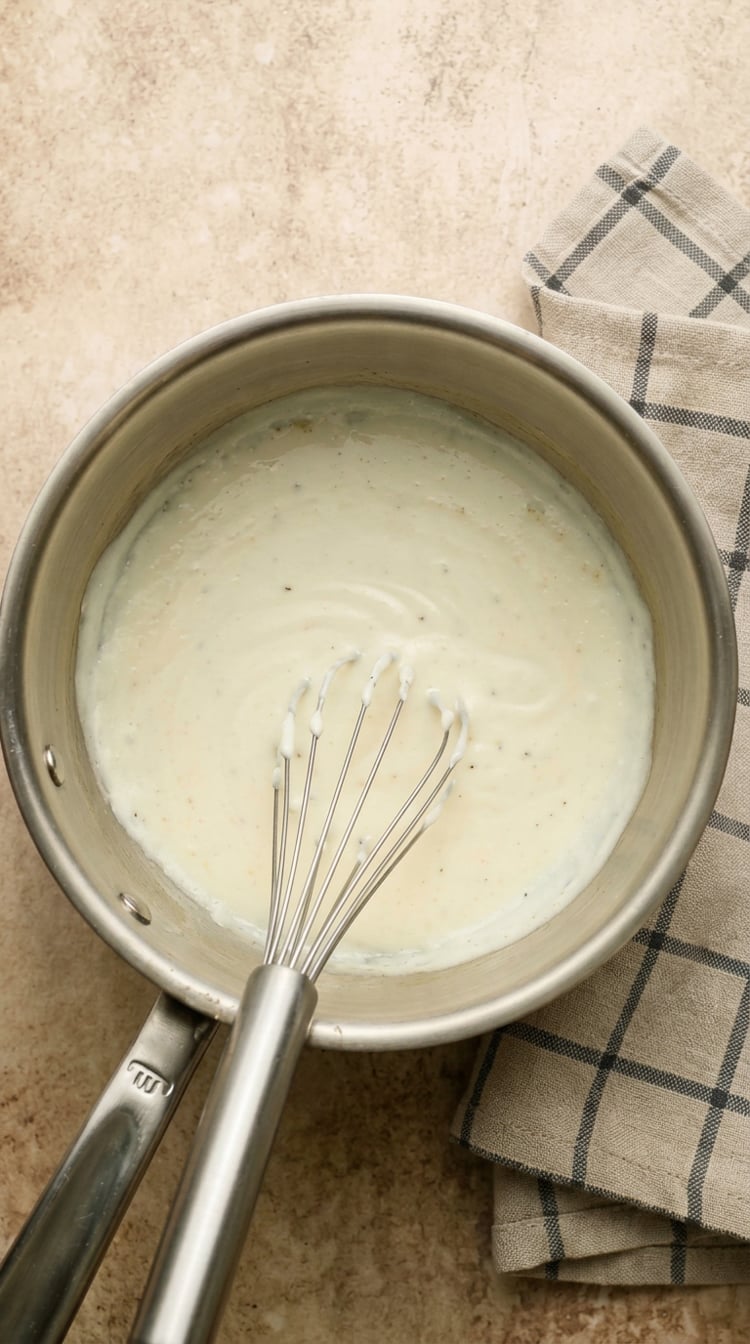
This classic béchamel recipe makes a smooth, creamy white sauce that’s endlessly useful in the kitchen.
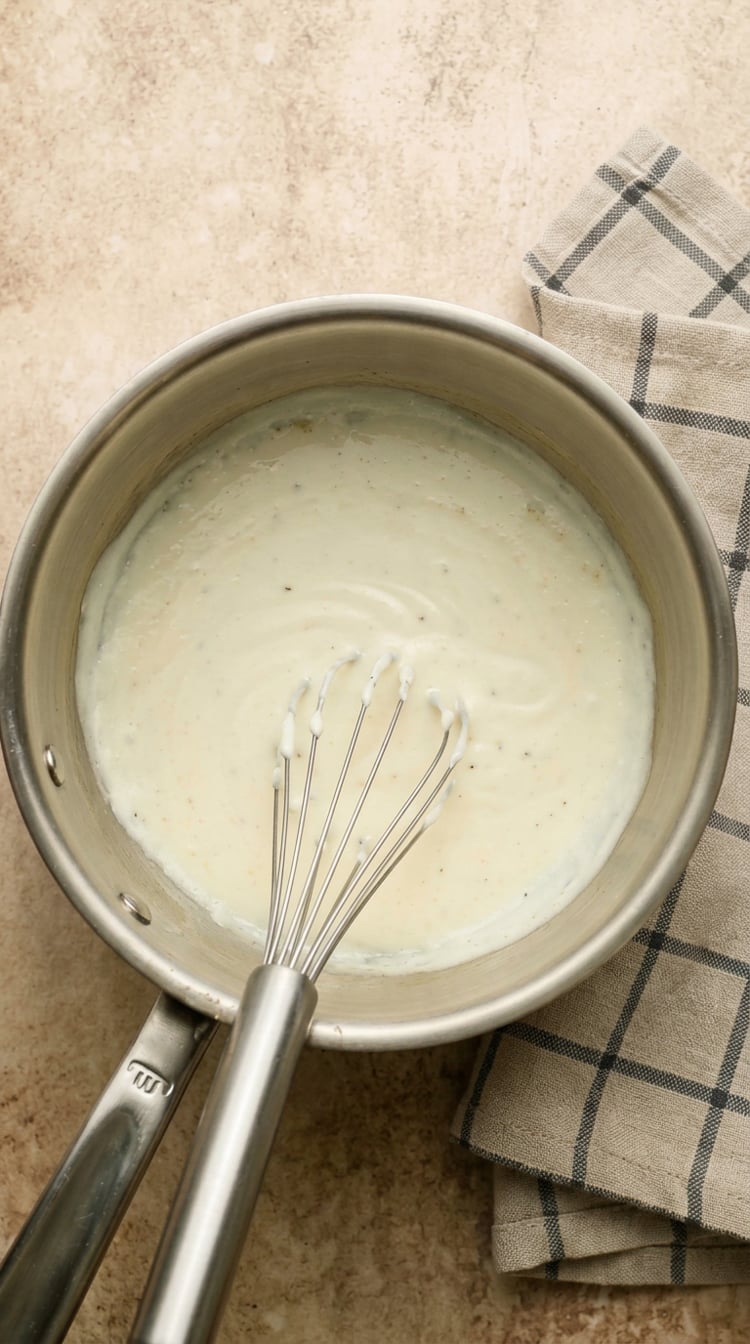
Béchamel is one of the five classic French “mother sauces,” which is just a way of saying it’s a base sauce used to make many others. It’s also one of the first sauces I learned to make in culinary school. Often called white sauce, béchamel is made with just butter, flour, and milk. Though French in origin, it’s widely used in many other cuisines.
What Is Béchamel Sauce Used For?
Béchamel is incredibly versatile. It’s commonly used in dishes like lasagna, gratins, moussaka, croque monsieur, and cheese soufflé, and it’s the base for Mornay, a béchamel enriched with cheese. It’s also the starting point for creamy mac and cheese and other cheese sauces. I use it as a creamy layer in my eggplant Parmesan, too.
What You’ll Need To Make Béchamel Sauce
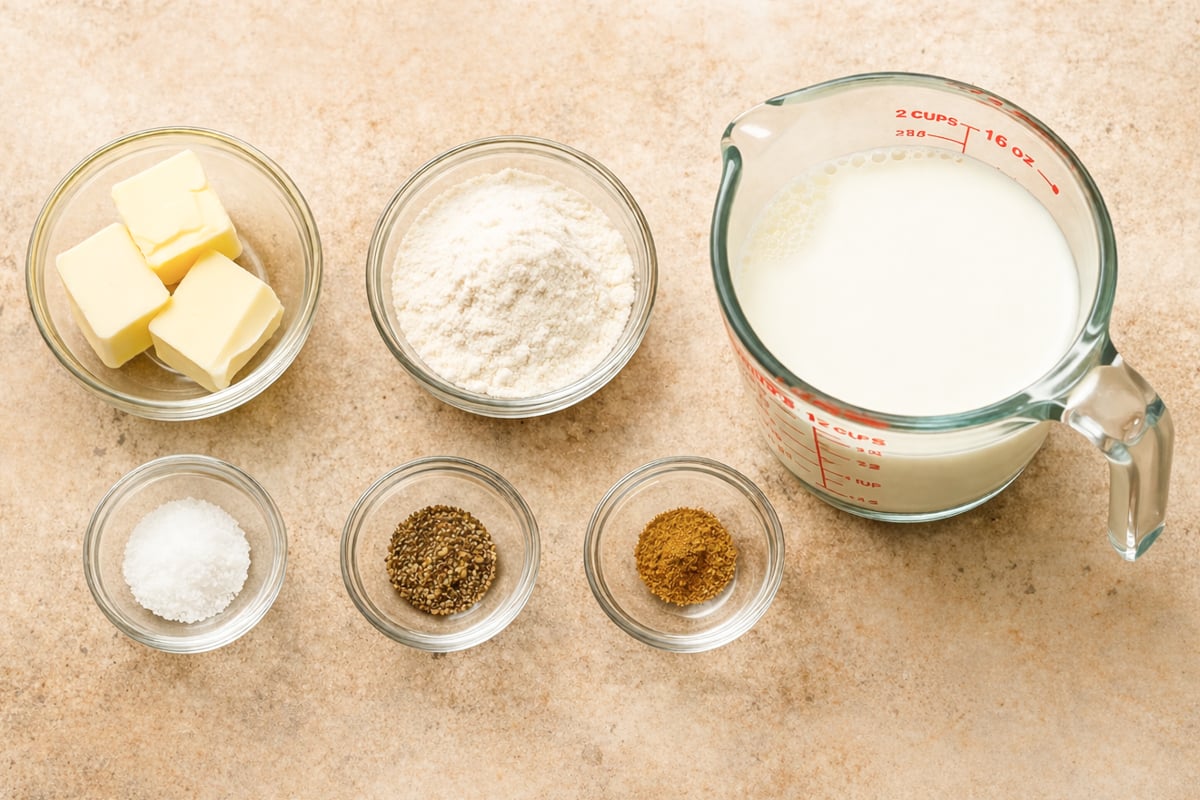
To make classic béchamel sauce, you’ll need unsalted butter, all-purpose flour, milk, salt, freshly ground black pepper, and ground nutmeg.
How to Make Béchamel Sauce
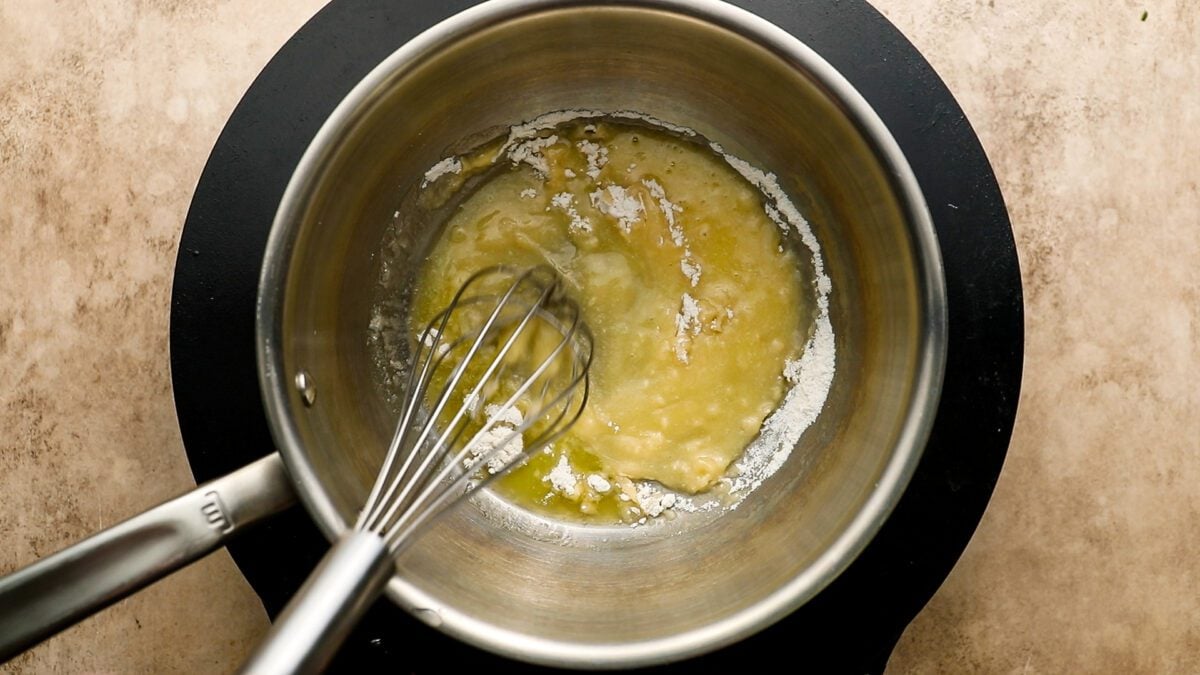
Make the roux: Melt the butter, then whisk in the flour and cook until the mixture is smooth and foamy. Keep it moving and don’t let it brown; you want to cook off the raw flour taste while keeping the sauce nice and pale.
Add the milk and thicken: Gradually whisk in the warm milk, then simmer until the sauce is smooth and thick enough to coat the back of a spoon. Adding the milk slowly at first gives the roux a chance to absorb it without forming lumps. As the sauce thickens, run your whisk or a rubber spatula around the edges of the pan now and then, since that’s where it tends to thicken first.
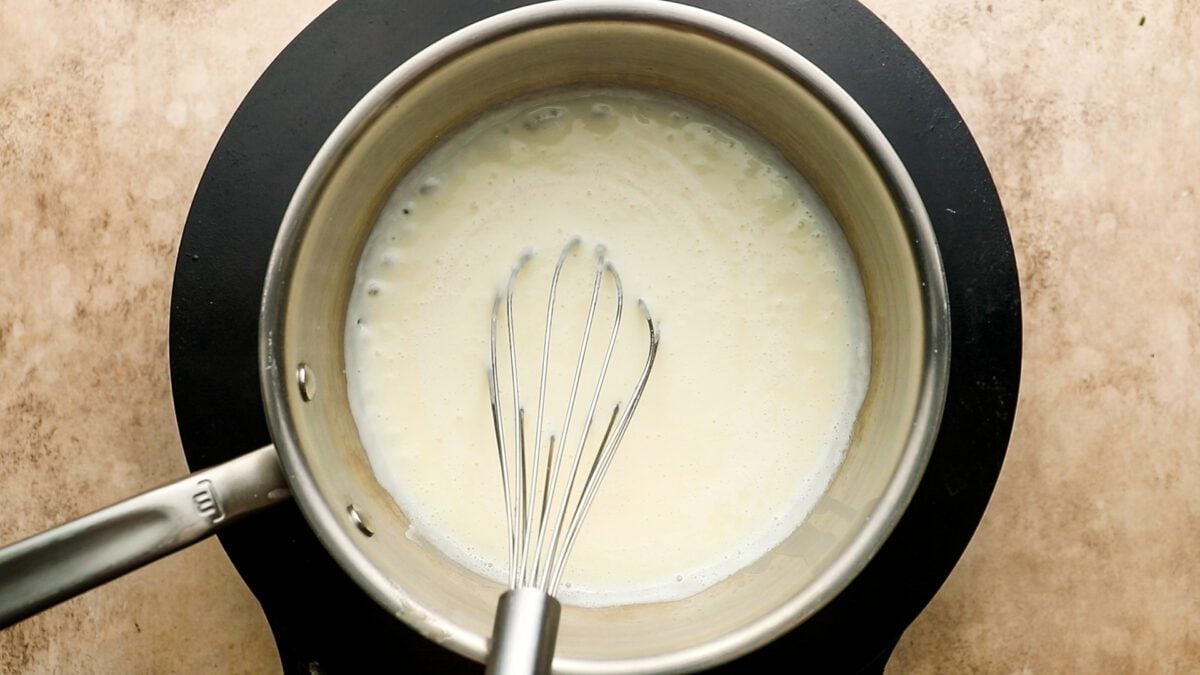
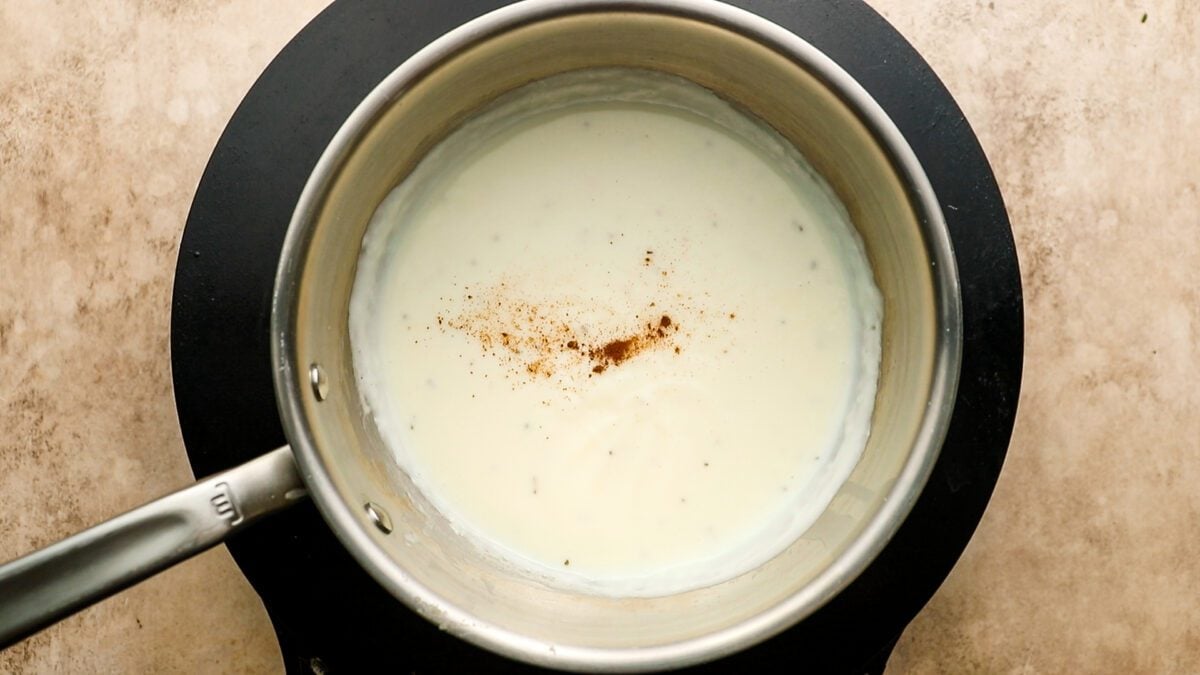
Season and adjust: Whisk in the salt, pepper, and nutmeg, then taste and adjust as needed. Don’t worry if the consistency isn’t quite right yet — béchamel is very forgiving. A splash of warm milk will loosen a sauce that’s too thick, while another minute or two of simmering will take care of one that’s too thin.
Pro Tips
- Got a few lumps? Don’t panic. Whisk vigorously first; that will usually take care of them. If the sauce still isn’t perfectly smooth, pour it through a fine-mesh sieve and carry on.
- Remember that béchamel thickens as it cools. If you’re not using it right away, it’s fine to leave it a touch looser than you ultimately want it.
- If the sauce needs to sit, cover the surface directly with plastic wrap. This keeps air from reaching the top and prevents a skin from forming.
- Turn it into Mornay sauce: Stir in about ½ cup grated Gruyère or Parmesan and whisk until melted and smooth.
Once you’ve mastered this simple three-ingredient base, béchamel becomes one of the most reliable tools in your kitchen — ready to enrich pasta bakes, gratins, and creamy sauces whenever you need it.