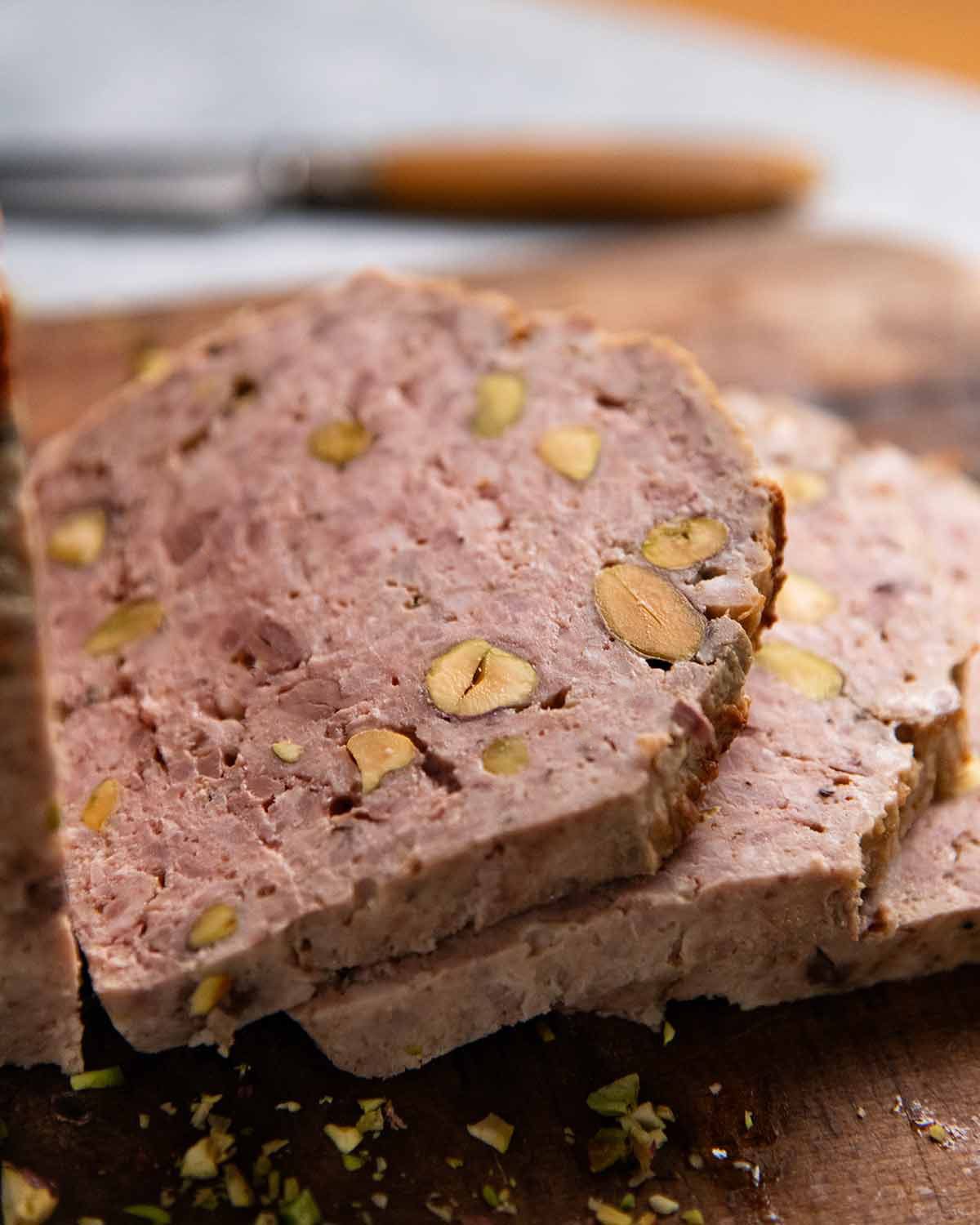
Country Terrine — pâté or terrine de campagne — is one of the great classics of French charcuterie. Made with pork and pistachios, it is rustic, rich, full of flavour, and far easier to make than most people imagine. Enjoy it for lunch, picnics, or a relaxed grazing board.
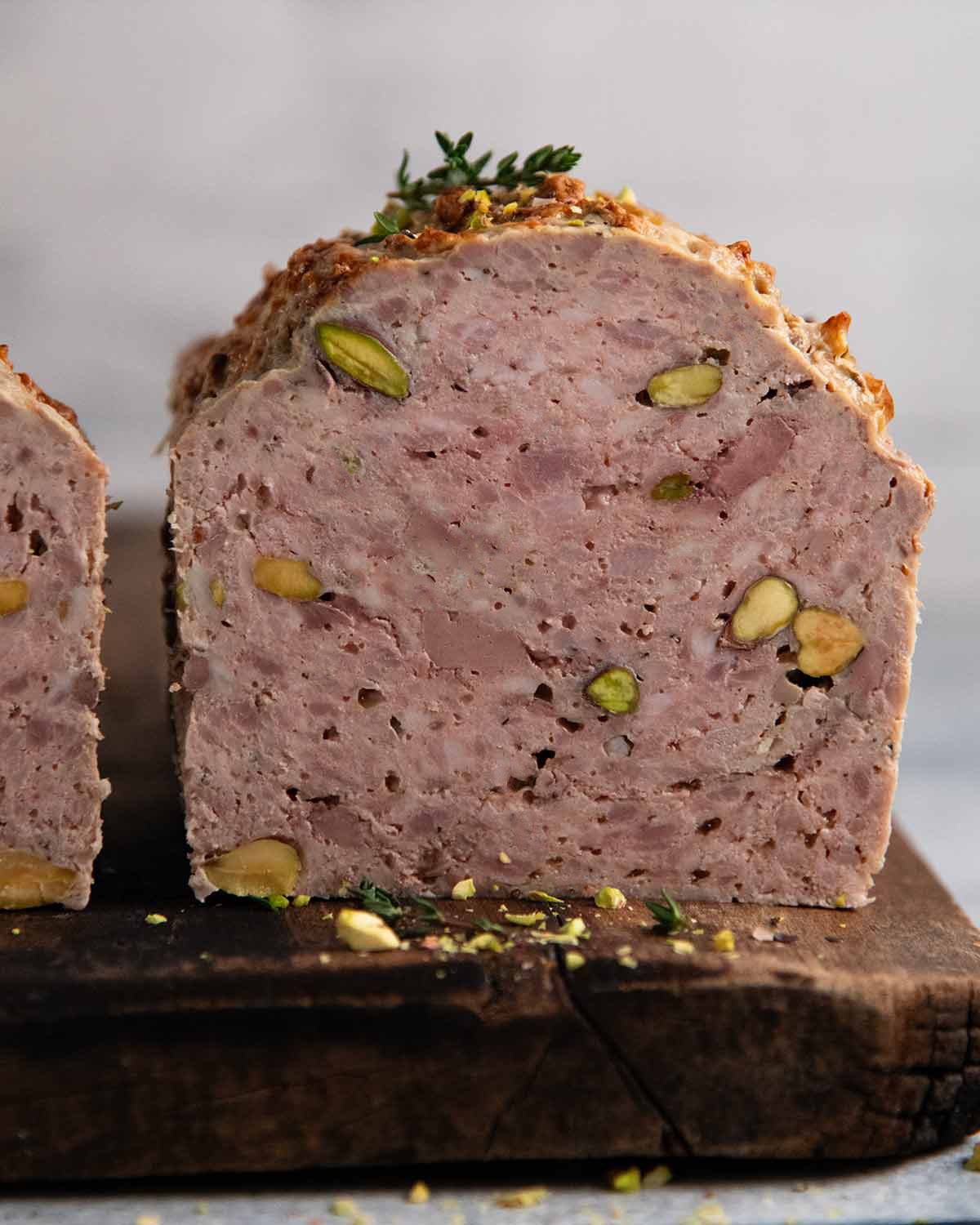
I don’t think I’ve ever seen JB get so obsessed with cracking a recipe! He easily made over 30 terrines — actually, probably over 40 because this week alone he made 5 — tweaking tiny details each time until he was happy, then stress testing it to death.
The end result is the best terrine I’ve eaten in Australia — including some from very fancy French restaurants. I have absolutely no hesitation saying this is every bit as good as the best terrines I’ve eaten in France!
Oh, it’s also unbelievably simple and costs 80% less than buying it. I can’t wait for you to make it!

A terrine is one of the great classics of French charcuterie that you’ll find in every butcher and deli all over France. Think of it as a rustic country pâté — well-seasoned pork, gently cooked in a loaf tin until tender and sliceable. The flavour is rich with pork, and it has a soft texture so it can almost be smeared onto bread with a knife.
It’s hard to describe precisely because there is nothing else quite like it.
The name comes from the dish it’s traditionally cooked in — a deep, covered earthenware vessel called a terrine. These days, most home cooks use an ordinary loaf pan, which works perfectly, but the name has stuck.
It’s a staple at bistros, often used for menu du jour (menu of the day) at lunch, and it’s right at home on any good cheese platter. This recipe draws on years of making terrines professionally — first in Lyon, France, then later at a French restaurant in Manhattan.
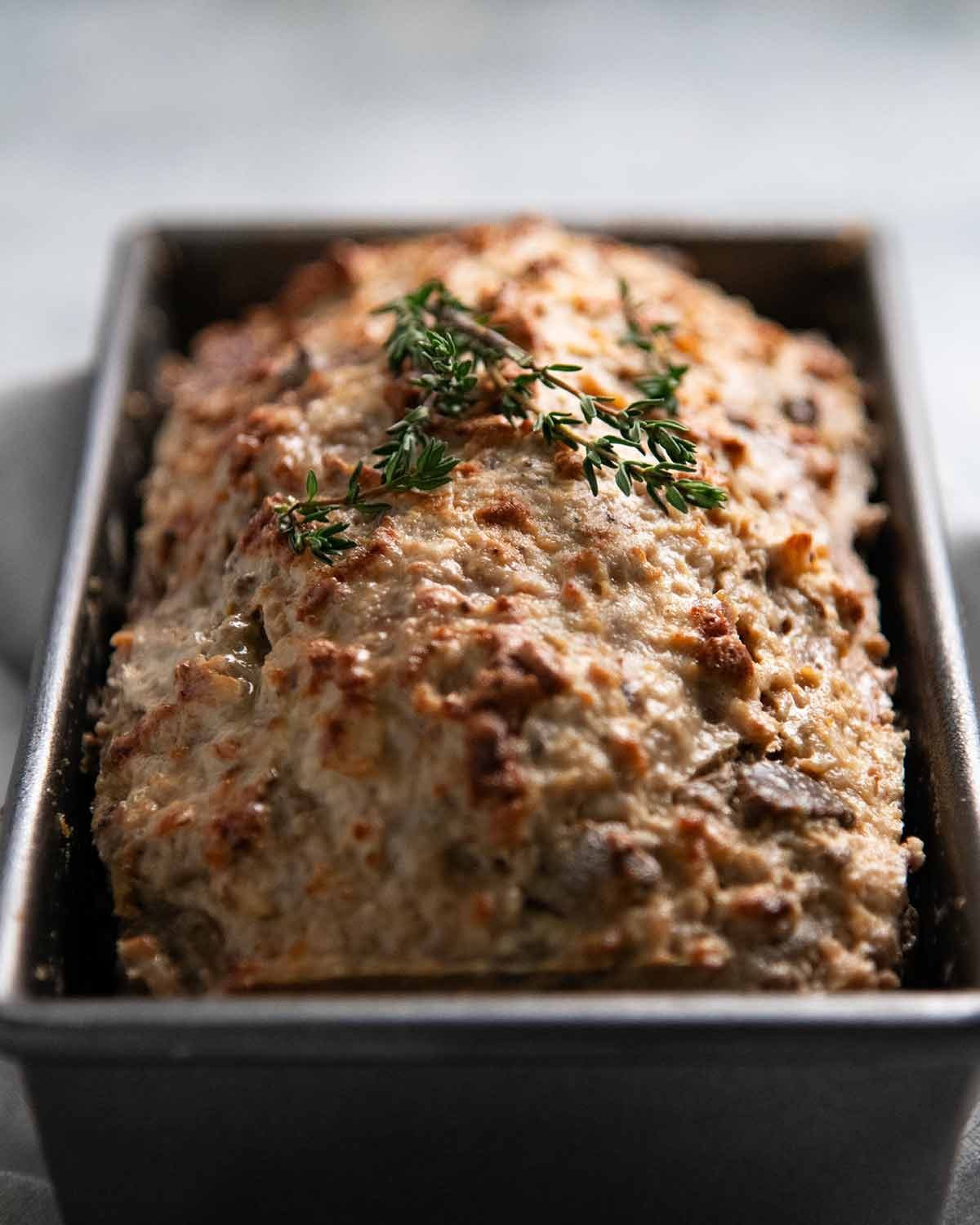 Terrines might look rustic but have a rich, luxurious flavour.
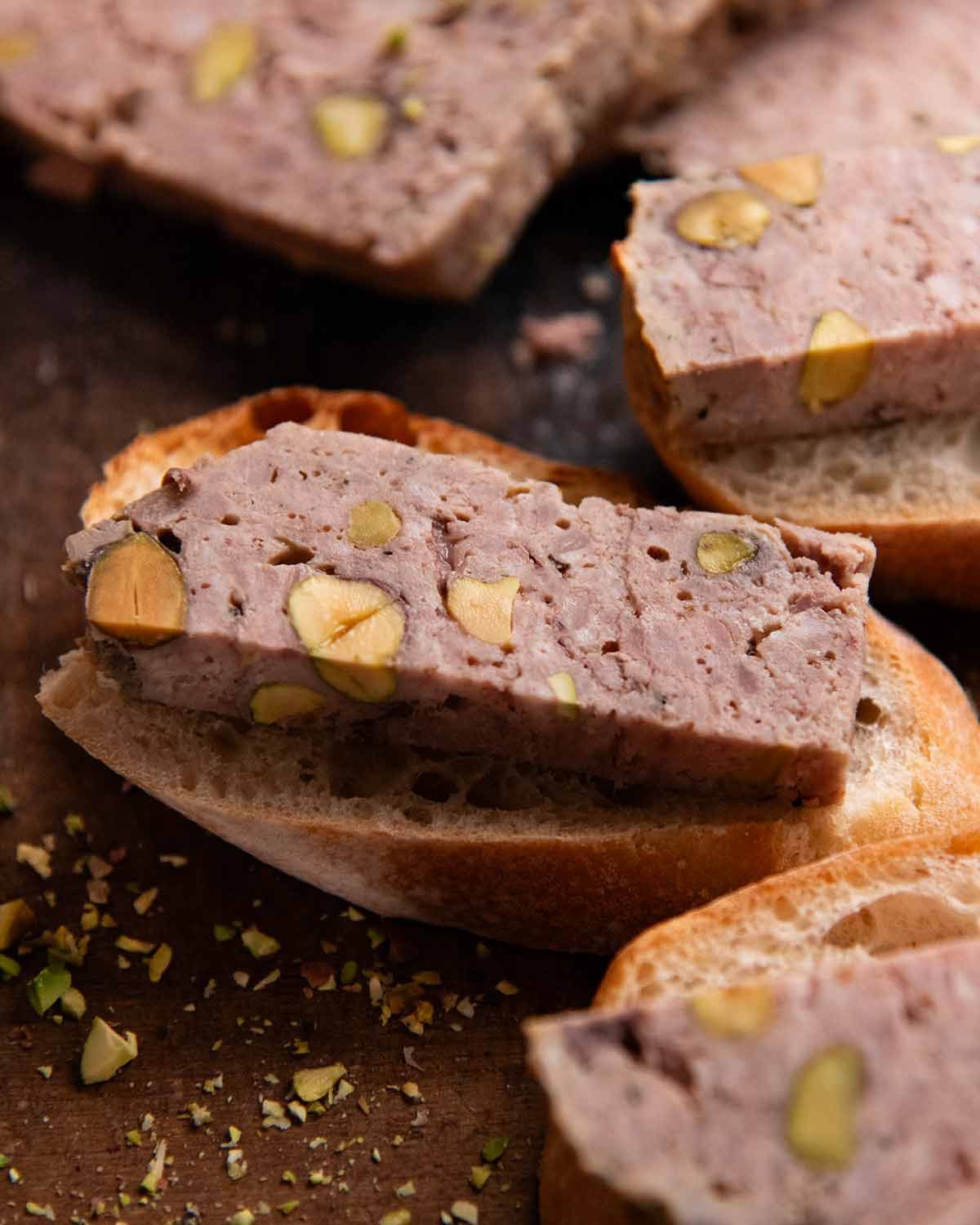
A Homemade Terrine
This recipe is designed to taste like the terrines made professionally for years, but in a form any home cook can make.
It took many more attempts than expected — it’s a fine balancing act to get the seasoning, texture, and moisture just right. At one point, there were so many terrines packed in the fridge there was no room for anything else, and the team rechristened it The Terrine Fridge.
The recipe is incredibly straightforward, and genuinely authentic in flavour. You will be surprised by how simple it is.
It also makes a lot of financial sense. A good French-style terrine can easily cost around $15 for a 150g slice, whereas for less than $30 you can make a generous 1.5kg loaf at home that will last for 5 days. The active hands-on time is only around 30 minutes, though you do need a lead time of 2 days for marinating and refrigerating.
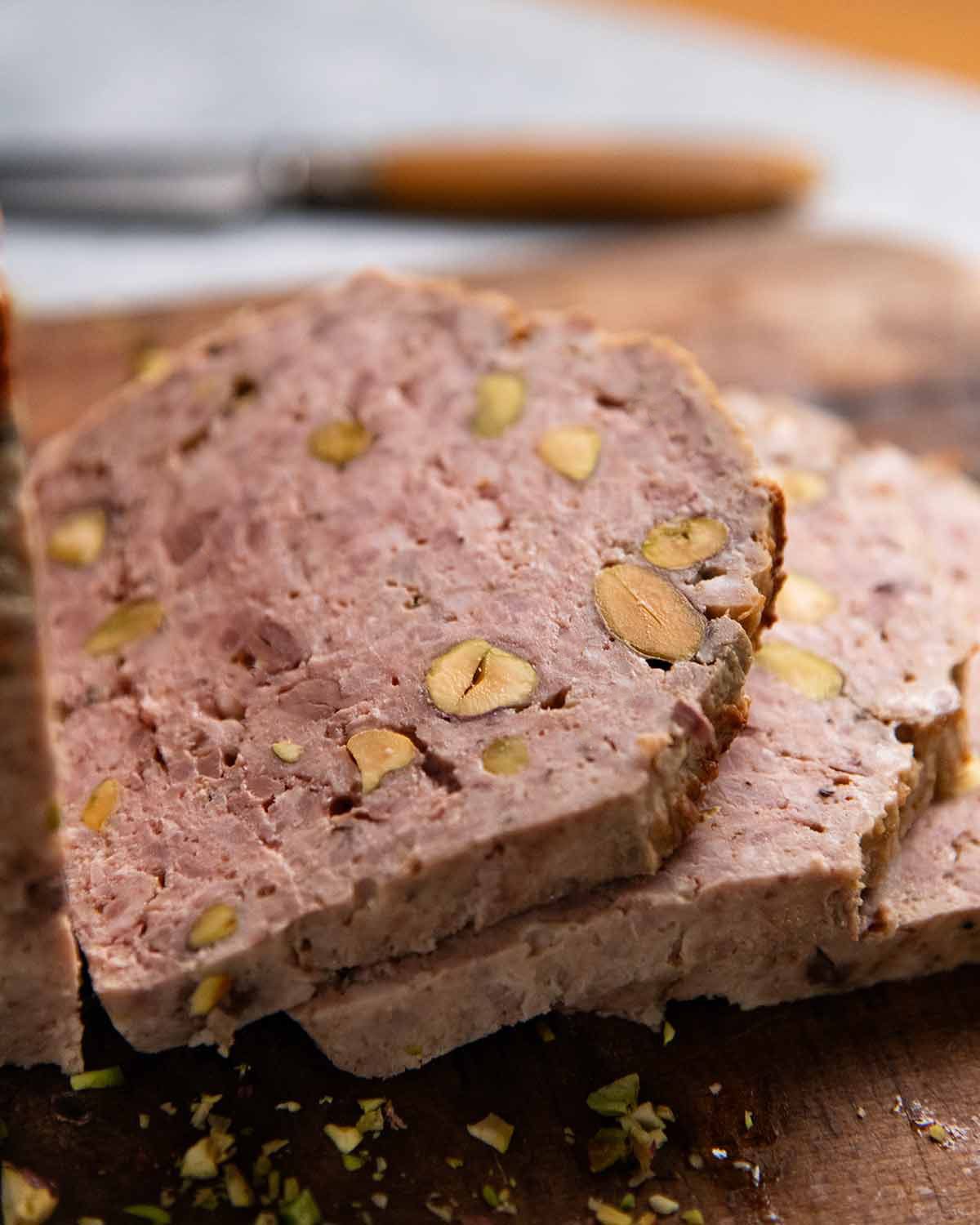
Ingredients
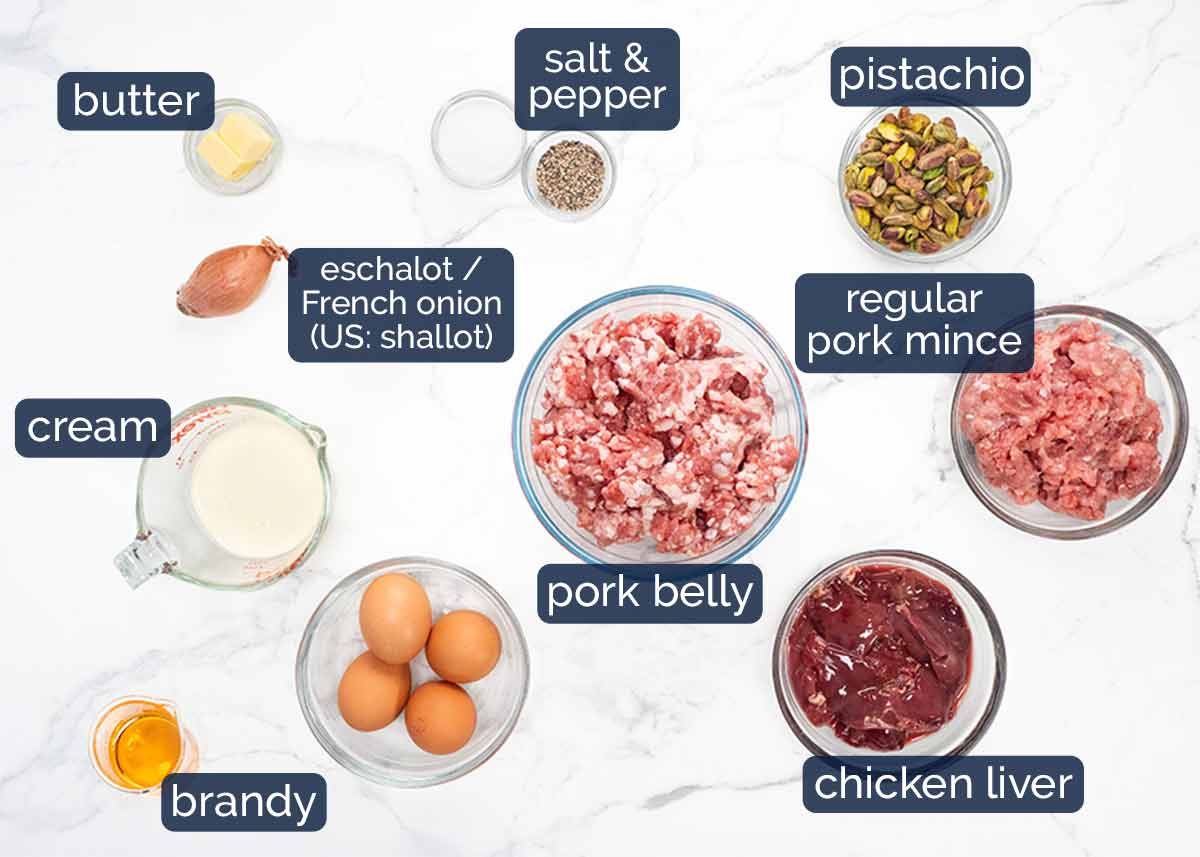
Terrine can be made using many different ingredients including meat, seafood, poultry, and even vegetarian options. This pork, chicken liver, and pistachio terrine is the most classic flavour combination. Here is what you need.
-
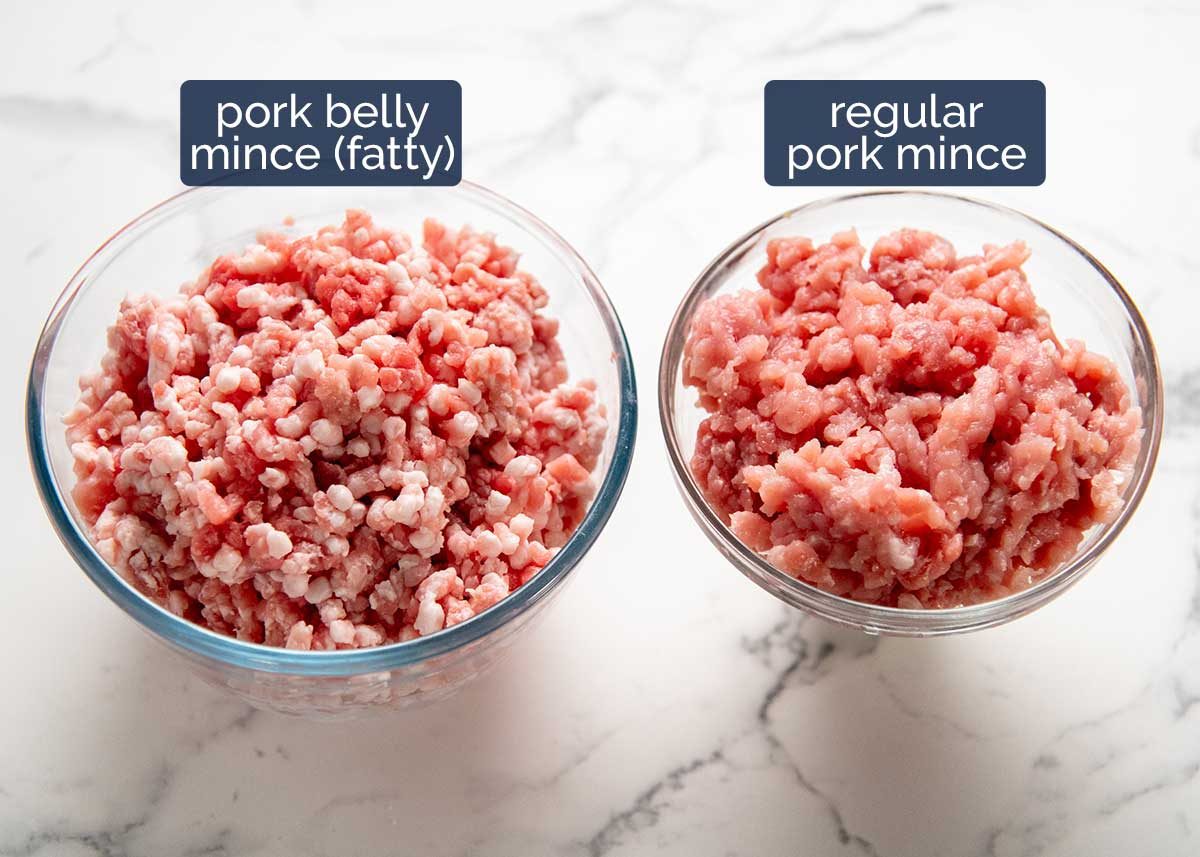
Pork belly mince — Pork belly is a fatty cut, and fat is essential in a country terrine. Without enough of it, the terrine will be dry, crumbly, lack flavour, and will be more like a meatloaf than a terrine. As it cooks, the fat slowly renders through the terrine, keeping it tender and rich.
Ask your butcher to mince pork belly for you, or if buying pre-minced pork, make sure it is a very fatty one. It should be pale pink with plenty of visible white flecks of fat, and more crumbly in texture than regular pork mince.
-
Regular pork mince — While fat is essential for a good terrine, using only fatty pork would make it too rich. Regular pork mince balances the richness of the pork belly, giving the terrine a firmer texture and a meatier bite while still keeping it beautifully soft.
-
Chicken livers — A classic ingredient in a French country terrine, used to provide a more rustic taste and improve the texture. They don’t make the terrine taste strongly of liver because they melt into the mixture as it cooks. See the recipe card notes for cleaning instructions.
-
Brandy — Use cognac if you have it, which is the classic choice for French country terrine. Otherwise, any inexpensive brandy will do — there’s no need to get fancy. A good excuse to use the bottle you opened for Chicken Chasseur or Chicken Au Poivre.
-
Eschallots — Also known as French onions, eschalots, or shallots (US name), these are the small onions that are purplish-white inside. They bring a sweeter, more delicate flavour to the terrine than regular onions, and they are fine enough that they almost melt away inside the terrine as it cooks.
This terrine keeps well in the refrigerator for up to 5 days, making it an excellent make-ahead dish for entertaining, picnics, or a week of impressive lunches.