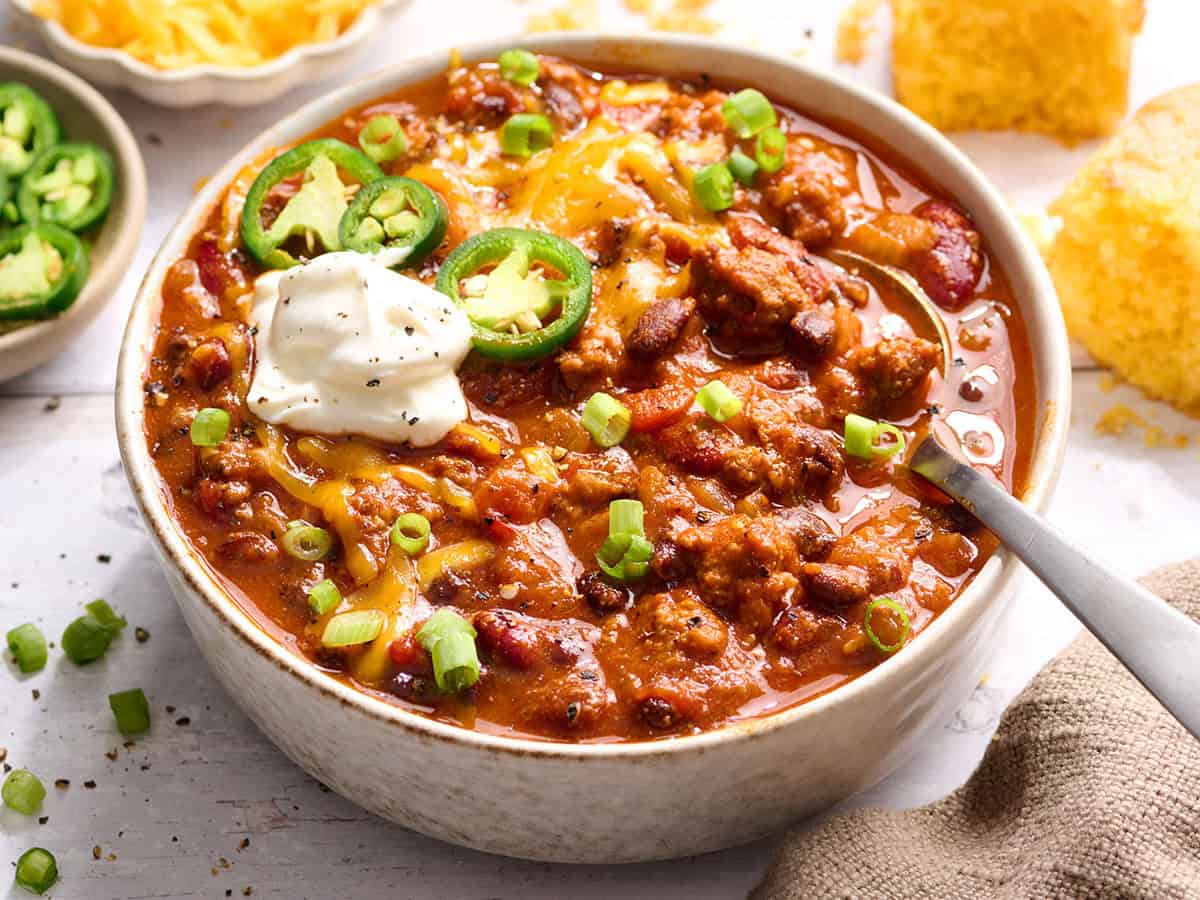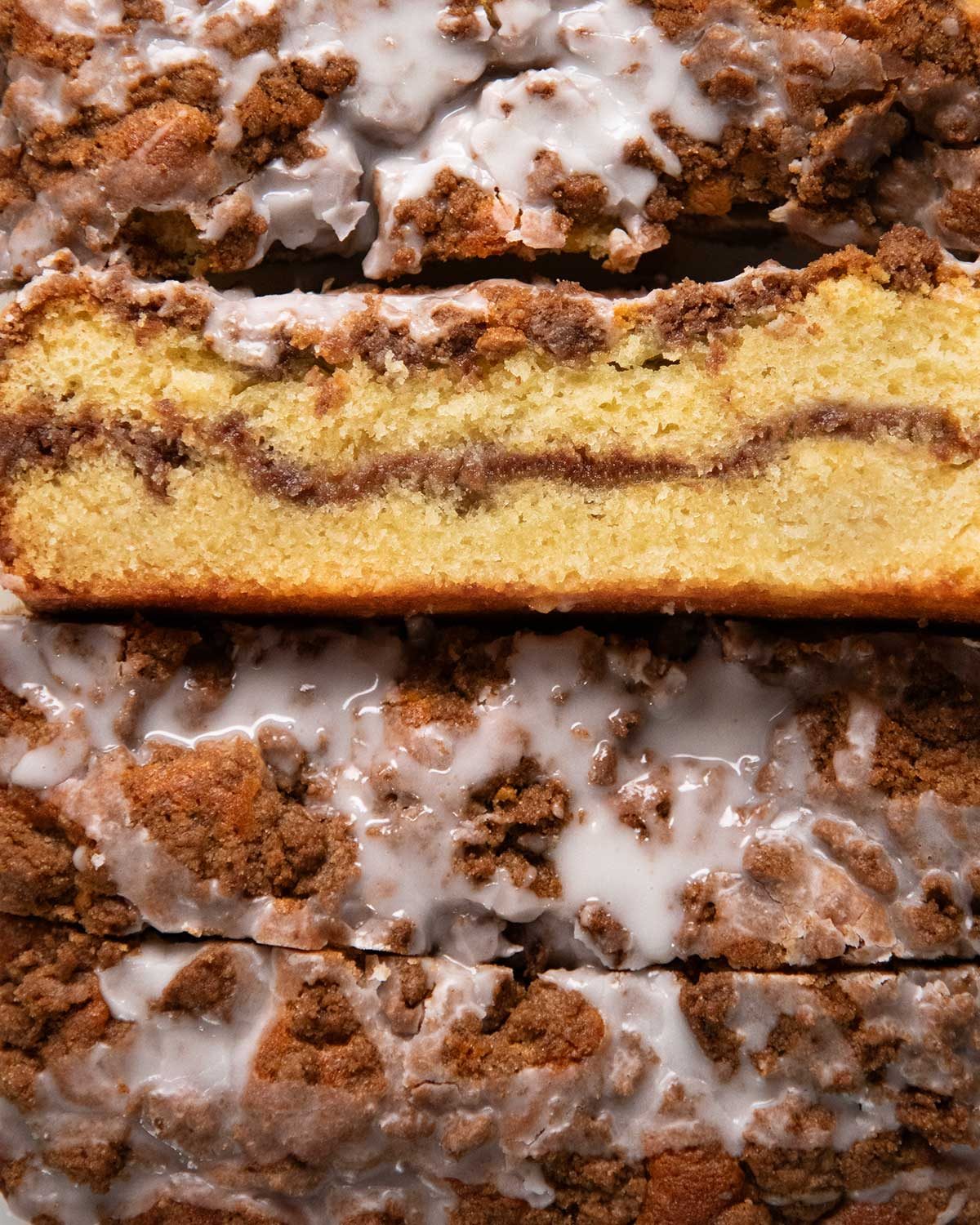
A classic crumb cake with a jammy cinnamon ribbon, loaded with lots of nubbly, extra crunchy cinnamon streusel. Outrageously good.
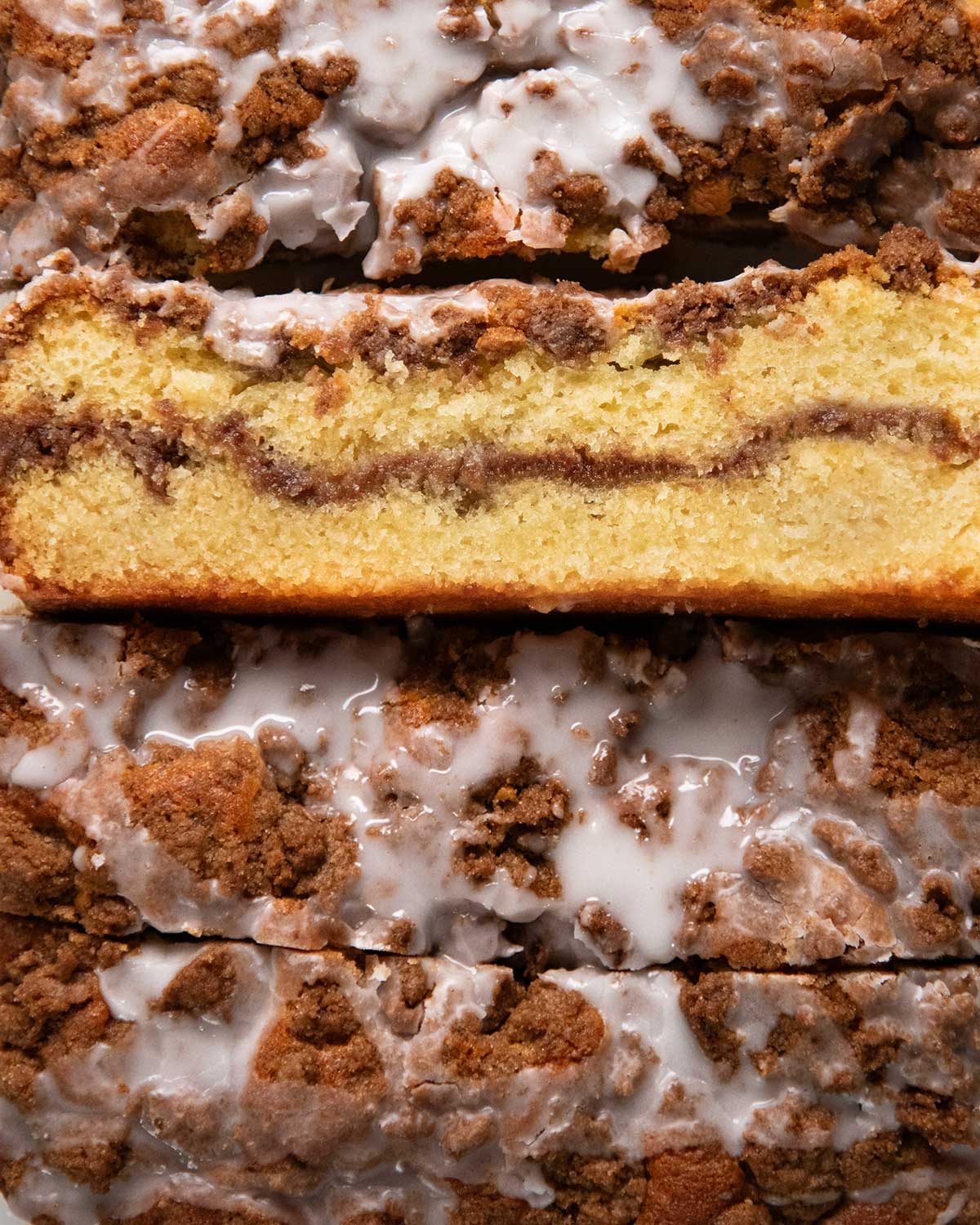
This is a cake with a confusing name, but one thing there is no confusion about is that it is wildly delicious. It’s an American cake called a Coffee Cake, though there is no coffee in it — it was presumably named as such because it’s intended to be enjoyed alongside a cup of coffee.
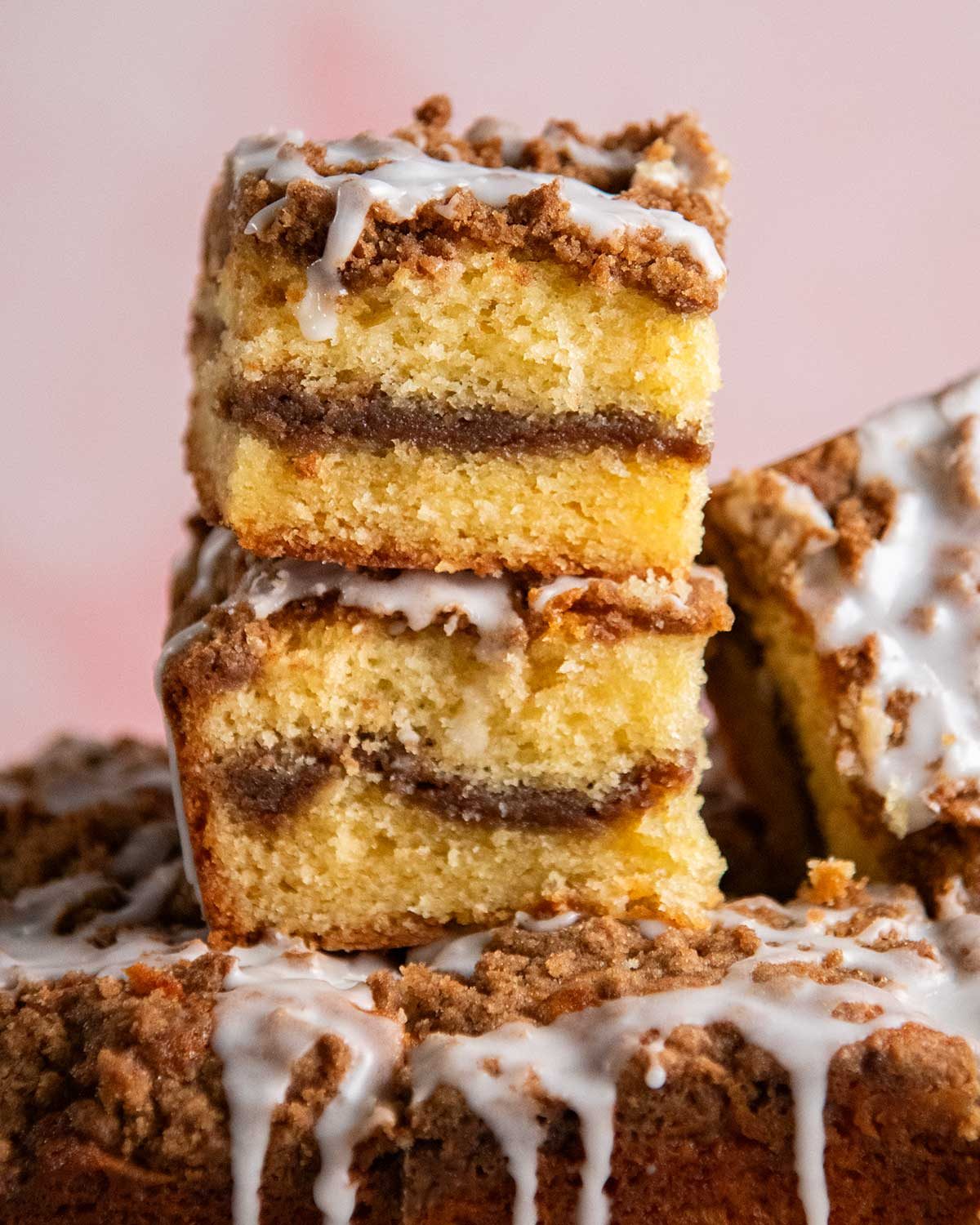
Rather, it’s a butter cake with a ribbon of cinnamon in the middle, topped with a generous amount of chunky, crunchy cinnamon crumbs. That crunchy topping is called a streusel, and it is the best part of the cake — buttery, caramel-y, and full of cinnamon flavour. Which is why there needs to be a good amount of it!
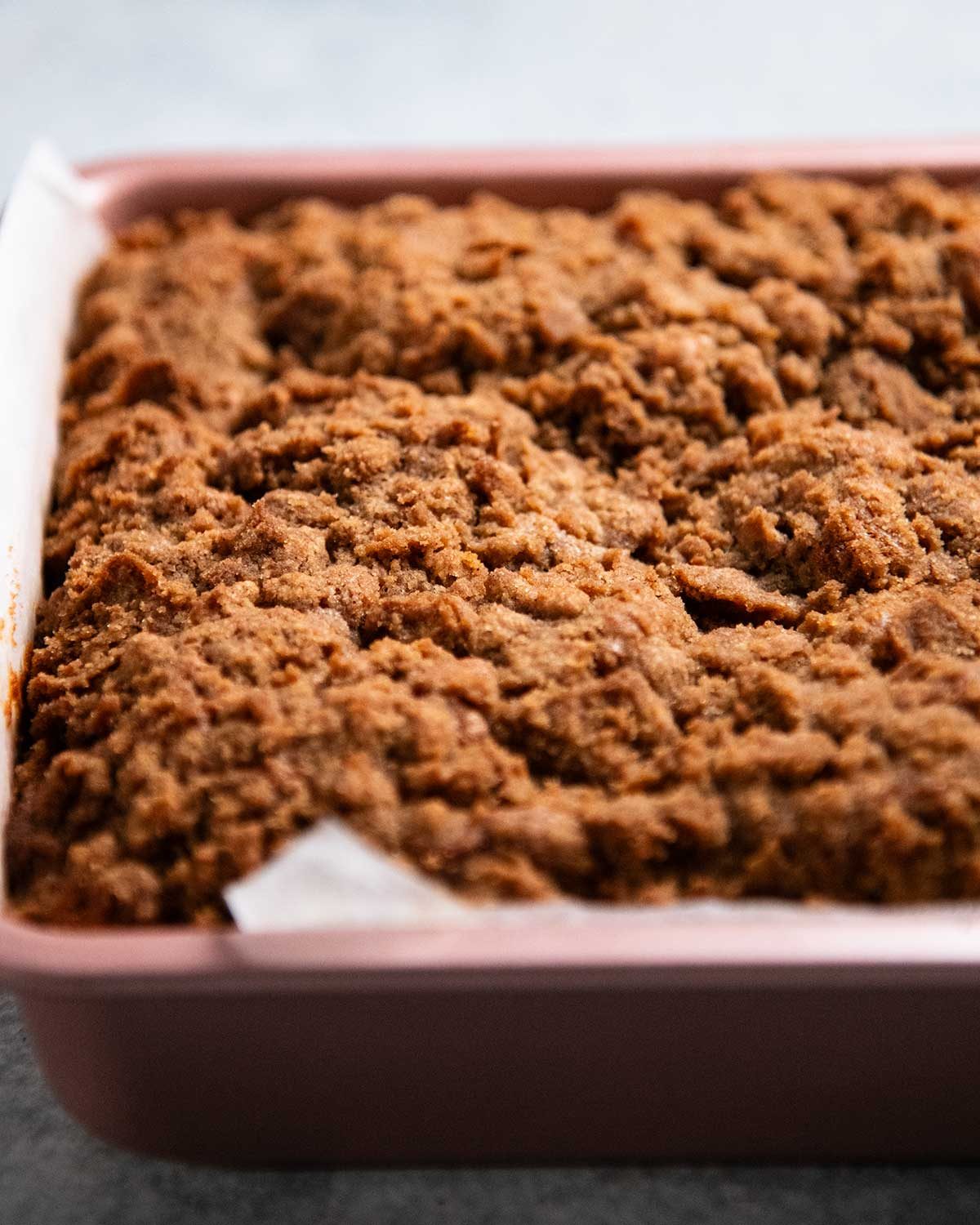
The first time I tried a Coffee Cake was at a Starbucks in the States. Back home, I came across this recipe by Stella Parks on Serious Eats. Her book BraveTart is a go-to for classic American desserts — her scientific approach to baking is genuinely instructive.
Stella’s recipe is only topped with crumb, with no layer inside, and is baked in a larger pan. This version is adapted to a square pan with a generous cinnamon ribbon added in the middle.
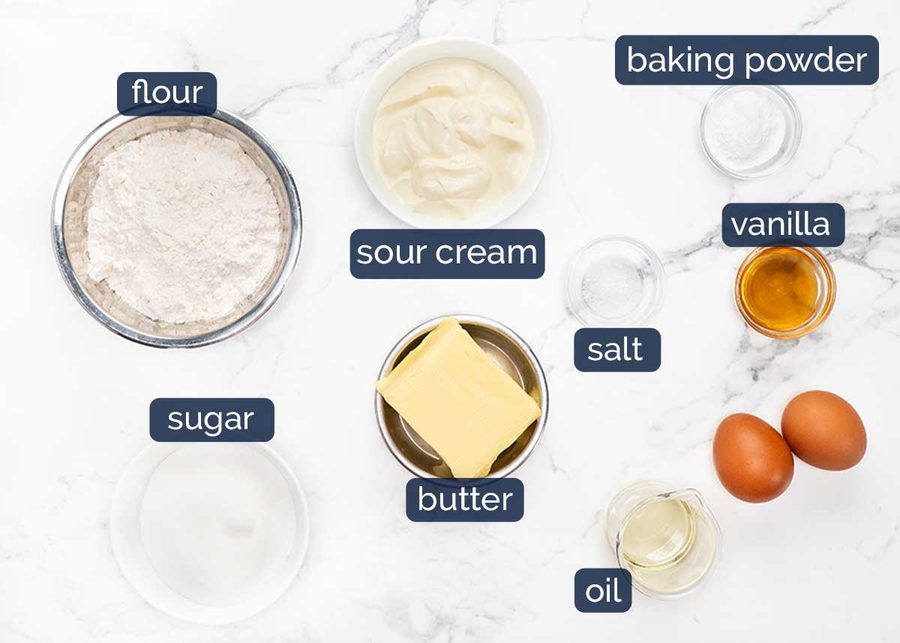
Ingredients for Coffee Cake
It tastes beautifully buttery as it should, with butter used in both the cake and the crumb. Here’s what you need to make this.
1. Cake Batter
The cake part of Coffee Cake is a soft butter cake. It falls somewhere between the velvety plushness of a classic vanilla cake and the slightly denser texture of yogurt-based cakes. It has a lovely buttery flavour, and the combination of sour cream plus a small amount of oil keeps the crumb beautifully soft so it stays fresh for days.
-
Sour cream – Use full fat sour cream and make sure it is at room temperature. If necessary, give it a quick blitz in the microwave. Fridge-cold sour cream will cause the batter to seize because the butter will solidify, or it will be so thick it’s impossible to spread over the streusel layer. As a substitute, full-fat plain yogurt can be used (low-fat yogurt will result in a less soft crumb).
-
Unsalted butter – Softened to room temperature so it can be creamed.
-
Oil – Just 1 tablespoon, which noticeably improves the freshness of the crumb. Any neutral-flavoured oil works — canola, vegetable, peanut, or even a light olive oil (the quantity is so small, you won’t taste it).
-
Eggs – Also at room temperature, so they blend in easily. Use large eggs, approximately 50–55g/2oz each.
-
Flour – Plain flour / all-purpose flour. Not cake flour, and not self-raising flour (the built-in baking powder proportions are not appropriate here).
-
Baking powder – The leavener. Baking soda was tested but caused the middle of the cake to sink, so baking powder is the right choice here.
-
Vanilla – Vanilla extract (pure vanilla) has better flavour than imitation vanilla essence. No need for vanilla seeds here.
-
Salt – Just a pinch, to bring out the flavours in everything else.
2. The Cinnamon Streusel
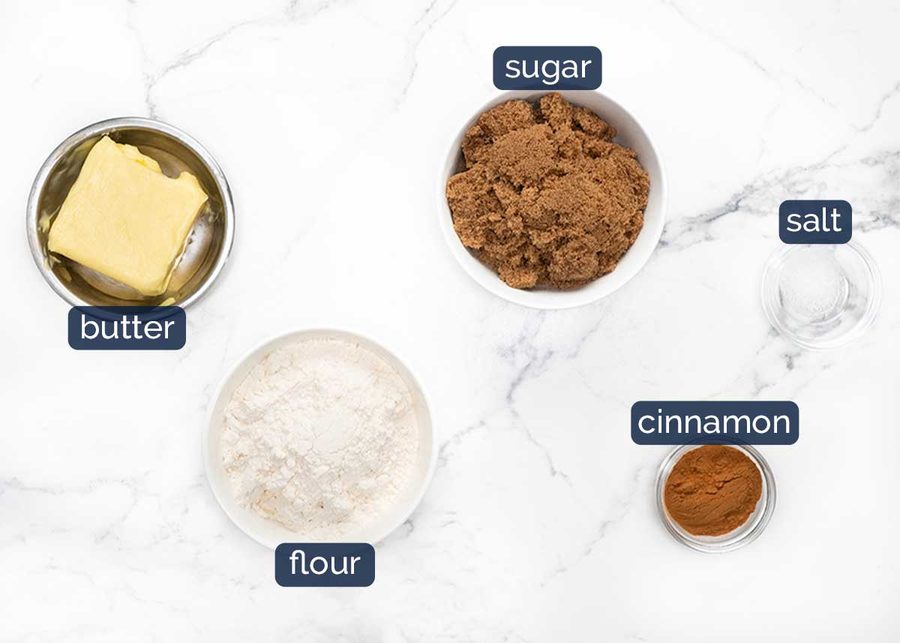
This cake uses the same streusel mixture for the crumb topping and for the ribbon of cinnamon in the middle. This is far preferable to using just cinnamon and sugar in the middle (the usual method) — it goes deliciously jammy and is thicker too, a tip credit to Chef John.
-
Unsalted butter – Softened to room temperature rather than fridge cold.
-
Flour – Plain flour / all-purpose flour.
-
Brown sugar – Gives a lovely caramel flavour to the crunchy crumb.
-
Cinnamon powder – A full tablespoon, for a proper hit of cinnamon flavour.
-
Salt – To bring out the other flavours.
3. Vanilla Glaze (Optional)
A drizzle of glaze to finish the cake is entirely optional, but it adds a bit of lightness to the very brown surface and makes it look extra inviting. A dusting of icing sugar works just as well.

- Icing sugar (powdered sugar) – In Australia, use soft icing sugar rather than pure icing sugar. Pure icing sugar is the type that sets hard, as used for royal icing, and is not suitable for a simple drizzle glaze.