The Vegetable That Belongs in Your Baking Rotation
Summer zucchini has a way of arriving all at once. Gardens produce it faster than most households can use it, and the surplus tends to pile up on kitchen counters until someone figures out what to do with it. The answer, more often than not, involves the oven - and not just in the obvious muffin-tin direction.
Grating zucchini into quick breads is well-established territory, but baking with whole slices, long strips, and halved boats opens up a different register entirely. These are techniques that use the oven’s dry heat to draw moisture out of the vegetable rather than letting it pool and make everything soggy. Done right, baked zucchini is structured enough to stand in for pasta sheets, sturdy enough to hold a filling, and thin enough to wrap around a savory interior without falling apart.
What the Oven Actually Does to Zucchini
Zucchini is roughly 95 percent water by weight. That fact shapes every decision made in the kitchen, and especially in the oven. A common technique is to salt the slices first, let them rest, and then press or pat dry before baking. The salt draws surface moisture out through osmosis, which reduces the amount of liquid released during cooking. In a dish like zucchini lasagna - where slices replace the traditional pasta sheets - this pre-salting and pre-baking step is not optional. Skip it and the finished dish turns into a watery pool no matter how well the sauce was made.
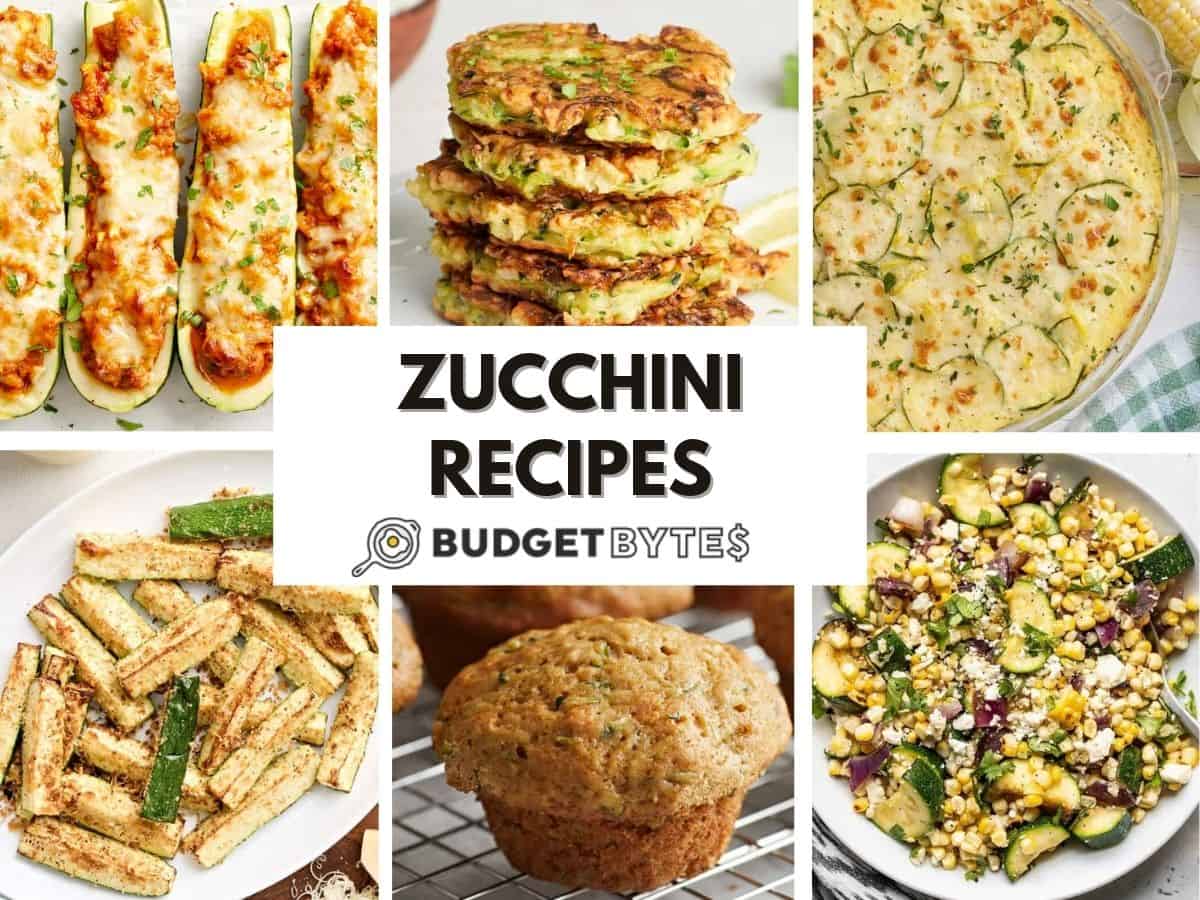
The baking itself does two things simultaneously. It finishes driving off moisture, and it slightly firms the texture, giving the zucchini a consistency that holds up under the weight of sauce and cheese. At $18.43 per full recipe - working out to $1.84 per serving - the zucchini lasagna is one of the more economical ways to put a substantial baked dinner on the table. The layers stack: fresh zucchini slices, a tangy meat sauce, a creamy cheese layer, repeat. The result reads as fully satisfying in the way a pasta lasagna does, without the carbohydrate load.
Zucchini boats take the logic in a different direction. Rather than thin cross-sections, you work with halved zucchini left largely intact, scooped of their seedy centers, filled, and baked open-face. The filling - Italian sausage, marinara, breadcrumbs, mozzarella - is held in place by the vegetable’s natural shape. At $10.08 for the full recipe, or $2.52 per serving, they’re one of the more affordable ways to present a filled, baked centerpiece that doesn’t require pastry or dough.
Where Baking Meets Gluten-Free Construction
There’s a category of baked dish that traditionally depends on flour-based wrappers - pasta sheets, tortillas, pie crusts - to hold everything together. Zucchini quietly replaces all of them, though the technique varies by application.
For zucchini enchiladas, long thin strips of zucchini stand in for corn tortillas. The strips are pliable enough to roll around a filling, and the oven heat binds the whole thing together under a layer of sauce. The result is lower in carbohydrates than a traditional enchilada and naturally gluten-free - not as a marketing claim, but as a structural consequence of using a vegetable instead of a grain-based wrapper. The enchilada format depends on the sauce doing most of the binding work, which it does regardless of what the filling is wrapped in. Zucchini, in this context, is a neutral carrier that absorbs flavor readily.
The Grating Method and Quick Breads
Not every baking application keeps zucchini recognizable. Grated zucchini disappears almost entirely into quick breads and muffins, contributing moisture and a faint green color in thin slices. The vegetable’s high water content - the same quality that requires careful management in savory baking - becomes an asset in quick breads, where it keeps the crumb tender without requiring additional fat or dairy.
The technique here is straightforward: grate on a box grater, squeeze out excess liquid in a clean kitchen towel, fold into the batter. The ratio matters. Too much zucchini and the bread struggles to set; too little and there’s no point. Most recipes land at one to two cups of grated zucchini per standard loaf. What the vegetable contributes structurally is mostly about texture and hydration - the flavor is subtle enough that it reads as background rather than foreground.
This is also where zucchini’s affordability is most apparent. When a neighbor’s garden produces more zucchini than can be used fresh, grating and freezing it in measured portions extends the supply through the year. Frozen grated zucchini thaws into batter without any meaningful quality loss.
Moisture Control as the Central Skill
Across all these applications - whether you’re baking slices into a lasagna, roasting halved boats, building enchilada-style rolls, or folding grated zucchini into muffin batter - the central skill is the same: managing water release so the final dish has the right texture rather than a soggy one.
For whole or sliced preparations, salting first and patting dry before the vegetable enters the oven is the standard approach. For grated zucchini, squeezing excess liquid out mechanically does the same job. The oven itself handles the rest, evaporating surface moisture and concentrating what’s left. A hot oven - typically 375°F to 425°F depending on the dish - accelerates this process and produces the slight caramelization on cut surfaces that improves flavor.
The zucchini lasagna’s $1.84 per serving price point is worth returning to here, because it illustrates something specific about baking with produce at peak season. When zucchini is abundant and cheap, these techniques allow a single vegetable to anchor an entire meal. The oven does the structural work that pasta or dough would otherwise do.
Summer Produce, Year-Round Baking Logic
Zucchini season in most of the Northern Hemisphere runs through summer into early fall. That window is when the vegetable is cheapest, most abundant, and at its most useful for the kinds of baking described here. A $10.08 batch of zucchini boats - four servings at $2.52 each - is genuinely harder to replicate at that price point with proteins or starches as the centerpiece.
The logic extends past summer if you’re willing to freeze. Grated zucchini freezes without issue, as noted. Whole slices can be blanched, dried, and frozen for use in baked dishes later in the year, though the texture softens somewhat after freezing and thawing. For lasagna applications, this is a minor issue - the slices are buried under sauce and cheese anyway. For boats, it matters more, since structural integrity is part of what makes the format work.
What connects these recipes is less about flavor profile and more about a shared approach to baking: using the oven’s heat to transform a high-moisture vegetable into something that behaves like a building material. The zucchini enchilada costs out at a similar range to the boats. The lasagna feeds ten people for under nineteen dollars.
That last number - $18.43 for ten servings - is probably the most honest argument for keeping a few zucchini in the kitchen all season.